

Blueprints When and Why You Need a Construction Attorney - Alves Radcliffe

Blueprints: When and Why You Need a Construction Attorney

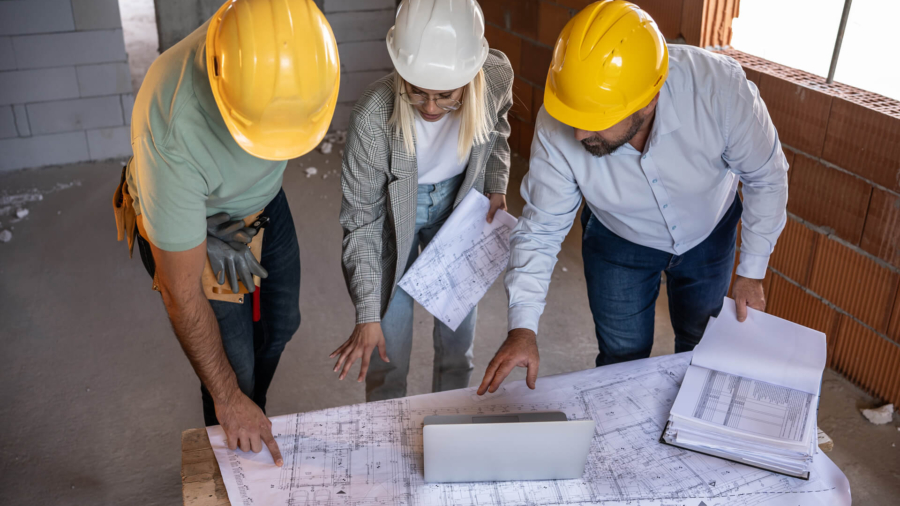
Construction projects are complex. While planning a construction project, you must set out legal boundaries with clear construction contracts. If a dispute arises, you must protect your interests and try to resolve the dispute fairly. 

Even after the project ends, you must be prepared to deal with any issues that arise about the quality of the workmanship. In all these situations, you need a construction attorney to advise and represent you.

The Foundation: Understanding Construction Law

Construction law encompasses many areas of law. Some of the legal fields construction lawyers understand and handle include:

  • Contract law
  • Property law
  • Commercial law
  • Insurance law
  • Environmental law
  • Product liability and injury law
  • Employment and workplace safety law

Most of the legal issues surrounding construction projects involve contract law. Contracts encompass the legal rights and duties that arise from a mutual agreement between two or more parties. Some common contract issues in construction include:

  • Project schedules and penalties for missing deadlines
  • Change orders during construction
  • Construction defects

Construction projects also involve property law. This legal field governs the rights and responsibilities involved in owning and leasing real property. This field of law includes:

  • Zoning compliance
  • Permitting
  • Environmental surveys
  • Neighbor disputes over water use, noise, air pollution, and nuisances

Another area of law involves employment and worker safety. The construction industry has more worker deaths than any other industry. Someone must ensure the job site complies with state and federal workplace regulations. Safe job sites protect workers and avoid construction delays from stop orders from safety inspectors.

Signs You Need a Construction Attorney

A construction lawyer can help at all stages of a project. Some reasons you might need an attorney include:

  • You are negotiating and drafting a construction contract
  • You need a zoning variance
  • A lender or insurer imposes special terms on your project
  • Construction defects are discovered
  • A dispute has arisen with the government, other parties, or workers

In many situations, you will benefit by calling a lawyer, even if you are unsure whether you need one. An hour or two of legal counseling might prevent a multi-million dollar lawsuit.

How a Construction Attorney Acts as Your Blueprint

As you approach your project, remember the old saying about an ounce of prevention. Hiring a lawyer before a dispute arises will often help you keep construction on track.

In many cases, the earlier the lawyer joins the project, the more disputes can be avoided. The lawyer can plan a legal strategy to deal with many issues that arise early in the project, such as:

  • Zoning
  • Lending
  • Insurance
  • Environmental reports
  • Permitting

Without a legal plan, your project might get mired in litigation before shovels even hit the dirt.

Cost-Effective Solutions

You have many options for hiring construction lawyers. If you have an in-house legal department, you can also hire a construction lawyer, as your team needs someone with additional knowledge or experience. 

Another strategy is to meet with a lawyer early in your construction to map out potential legal issues. As you reach each point, you can bring the lawyer into the project.

Pitfalls of DIY

You would never advise a property owner to pour a foundation. By the same token, lawyers would never advise you to handle your legal disputes. Lawyers provide legal knowledge and experience to make sure your issue gets handled correctly. 

Equally importantly, a lawyer takes the burden of your legal issue off your hands so you can focus on your area of expertise.

Finding the Right Construction Attorney

The right construction lawyer will have experience with construction projects. Construction lawyers know the law as well as the construction industry and its customs. The right construction attorney can spot issues before they arise because of their industry experience.

Reducing Delays and Issues

A legal blueprint can reduce the risk of delays and disputes. Contact Alves Radcliffe to discuss your construction project and how we can help you develop a legal strategy.
How a Construction Attorney Can Hammer Out Your Contract Concerns - Alves Radcliffe

How a Construction Attorney Can Hammer Out Your Contract Concerns

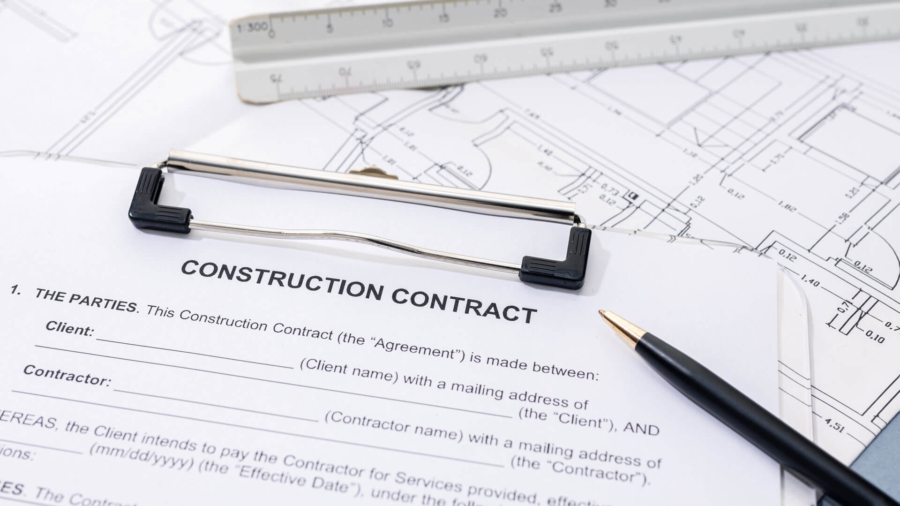
Commercial and residential buildings are meant to last for decades. Their construction often requires months or even years of planning and execution. These projects involve several parties with diverse roles, including property owners, lenders, contractors, and subcontractors.

Construction contracts help manage these projects. They identify each party’s rights and responsibilities. They also allocate the risks associated with the construction project. There is no right or wrong way to handle these business decisions. However, a construction attorney can help you ensure the contract reflects the agreed-upon terms.

The Nuts and Bolts of Construction Contracts

Construction contracts cover many of the parties involved in a project, including:

  • Owners
  • Developers
  • Architects
  • Engineers
  • Lenders
  • Tenants
  • Construction managers
  • General contractors
  • Subcontractors
  • Suppliers
  • Insurers

You will not find a one-size-fits-all construction contract that covers every situation. But all construction contracts should include certain terms, such as:

  • Project schedule
  • Payments
  • Scope of work
  • Permitting
  • Documentation requirements
  • Warranties
  • Dispute resolution
  • Change orders
  • Termination
  • Penalties

Other contract issues can arise when you litigate construction contracts. First, courts construe contract language using only the contents of the agreement. The ā€œfour cornersā€ principle means a court usually cannot use outside evidence, such as emails or notes, to interpret the terms of the contract.

Second, courts typically avoid adding unwritten terms into a written agreement, even when those terms are customary in the industry. Judges assume you wrote your contract knowing what you did or did not want to include.

Meet Your Hero: The Construction Attorney

All lawyers learn contract principles in law school. However, a construction attorney has experience with other construction projects. As a result, the attorney will know:

  • The typical terms to include in a construction contract
  • How to craft creative solutions based on experience with other projects
  • The issues most likely to generate disputes and ways to address them

A construction lawyer can assist you in many ways. You can hire an attorney to negotiate and draft the contract. You can negotiate the contract and hire a lawyer to memorialize it in an enforceable written agreement. 

If you have an in-house legal department, you can hire a lawyer to advise your general counsel on construction law matters.

Hammering Out Contractual Concerns

Contractual concerns usually come in two forms. First, the contractual language may be unclear. The lawyer can work with the other parties to make the terms clear and complete.

The second contractual concern happens when you want to include or exclude a term, but the other parties refuse. The lawyer can hammer out this concern by negotiating with the other parties to try to get something in the agreement that protects you. The lawyer might even spot an issue that you missed.

The Cost-Benefit Analysis

Trying to deal with a contract without a lawyer has many risks, including the following:

  • Committing to an agreement you do not understand
  • Time and expense of litigating foreseeable disputes
  • A judgment against your business if you lose a lawsuit

The most important cost is that your attention will get pulled away from your business to focus on negotiating, drafting, and litigating construction contracts.

The benefit is the peace of mind of knowing that your concerns about your construction contracts have been resolved. As a result, you can focus on your business rather than your contracts.

Choosing the Right Construction Attorney

Experience is the most important factor in choosing any kind of lawyer. When picking a construction lawyer, look for someone who has previously drafted and litigated construction contracts. They should understand various types of construction contracts and how to draft them.

The lawyer will use this experience to identify potential problems and resolve them early. They can also free up your time by taking over the burden of negotiating and drafting a fair and clear construction contract.

The Contract Help You Need

Even a simple construction project requires solid construction contracts to manage everyone’s legal obligations. Contact Alves Radcliffe to discuss your project and how we can help you resolve your contract concerns.

Maximizing Efficiency How to Expedite Your Construction Permits - Alves Radcliffe

Maximizing Efficiency: How to Expedite Your Construction Permits

Obtaining a construction permit can be challenging, especially because it often takes time. Expediting your construction permit can help you complete your project much faster. 

A construction attorney can provide much-needed guidance throughout the permit process.Ā 

Permit/Process Efficiency

In the construction world, permits are a necessity. Generally, permits are required for any commercial or residential project involving construction, repairs, alterations, or any considerable changes to a structure. 

The permit process can be frustrating and stressful. However, putting your focus on the permit process and expediting the process as much as possible can help you considerably. Most importantly, obtaining a permit quickly means your construction project can get going faster.

To acquire a permit more efficiently, it’s helpful to fully familiarize yourself with your project and have a solid plan. Proper planning is one of the key steps to minimizing any setbacks you may encounter during the permitting process. Also, get to know your jurisdiction and local procedures, laws, and codes. 

Additionally, don’t hesitate to get assistance from a knowledgeable source if needed. A construction attorney can help you get your permits efficiently, saving you plenty of time. 

Preparation & Challenges

Preparing your application and having the required documents and information ready allows you to complete the necessary steps much faster. 

Depending on the type of project you’re getting a permit for, you may need to provide certain documents, including:

  • Blueprints
  • Site plans
  • Floor plans
  • Foundation plans
  • Roof plan
  • Land surveys

Additionally, you must provide information about your project, including a thorough description of the project scope of work. 

Failure to obtain and provide the documentation needed for your permit can add to your construction timeline and costs. For this reason, it’s important to understand what you need for a comprehensive permit application and provide everything the first time around to avoid denials and further issues. 

Choosing the Right Permit Type & Qualified Contractor

There are numerous types of permits you can apply for, depending on the type of project. Some common kinds of permits include, but are not limited to:

  • General building permits: Required for alterations, repairs, and new construction projects 
  • Electrical permits: Necessary for electrical jobs, including installing new wiring or additions to existing electrical installations
  • Plumbing permits: Required for cutting into or replacing pipes, specifically those in walls or underground 
  • Reroofing permits: Necessary for roof replacement work, including installing, removing, or repairing roof sheathing

Contractors are often responsible for overseeing these projects but also obtaining necessary permits. A contractor can apply for permits, schedule required inspections, and ensure projects are completed according to plan. Contractors also hold legal responsibility for projects; therefore, hiring a qualified contractor is important.

Utilizing Online Services & Fast-Track Permitting

Online services and other resources can help you expedite the permitting process, allowing you to get to work much quicker.

Depending on the type of permit needed, certain cities and counties allow licensed contractors to apply for and obtain permits online. Over-the-counter permits are easier to get quickly online for smaller projects. Larger projects and commercial construction jobs usually go through formal channels and could take longer to get.

Additionally, some cities allow for expedited plan review requests for larger projects. While requesting an expedite typically involves additional fees, it could help you keep up with your project timeline and get the job done faster.

Legal and Liability Considerations

To get a building permit, you must take special note of laws, codes, and regulations. Responsibility for permits falls on the party requesting the permit, which is usually the contractor. This is one of the reasons contractors carry liability insurance, as they are liable for projects. 

The legal aspect of construction permits can be one of the more challenging parts. For guidance and support, consult with a local construction attorney. 

Get Help with Your Construction Permits

The construction attorneys at Alves Radcliffe have extensive experience helping clients with permitting for their construction jobs. We invite clients throughout the Bay Area and greater Sacramento to contact us to schedule a meeting.

Emergency Repairs and Construction Permits What You Need to Know - Alves Radcliffe

Emergency Repairs and Construction Permits: What You Need to Know

No matter how careful you are, some emergency repairs are unavoidable. When you need to complete a repair quickly, you need to expedite the process, which includes getting a permit.

Getting a construction permit for an emergency repair can be challenging, but a construction attorney can assist.Ā 

Emergency Repairs Defined

If you look up the definition of emergency, you’ll see it is often defined as an unforeseen, serious, often dangerous situation that calls for immediate action. Therefore, an emergency repair must be done right away.

Usually, if an emergency repair is not done promptly, it can result in substantial damage to the surrounding area or entire structure. Common emergency repairs involve:

  • Plumbing, like burst pipes
  • Electrical, like burnt outlets
  • Heating, ventilation, and air conditioning
  • Structural issues
  • Weather-related problems
  • Fires

Taking care of an emergency repair can resolve the issue and help avoid further complications and the need for additional repairs. 

Permit Application Process — What To Know

Repairs usually require permits. Permits are necessary to ensure repairs meet legal standards. It’s important to follow the proper application process, as it depends on your city’s requirements.Ā 

You’ll start by submitting an application to your local building department. This usually requires detailing the work that must be done and including certain plans. 

The approval process timeline varies. Sometimes, for emergency situations, you may have the opportunity to get a faster response. Once you obtain approval, you can begin work. You cannot begin making repairs until you’ve received your permit. 

Once the job is complete, you’ll need to schedule an inspection. A building official will inspect to ensure the job was completed according to plan. If so, you’ll receive final approval. 

When applying for a building permit, it’s important to try to increase your chances of approval. First and foremost, familiarize yourself with your project. Knowing the exact details of your repairs, including what needs to be done and an approximate timeline, can greatly help. 

Get to know your local laws and regulations. Every city and building agency has its own rules. Ensuring you’re staying within the parameters of these regulations can help you get approval faster. 

Never be afraid to ask for help. The application process can be complicated and frustrating, especially when you’re trying to complete emergency repairs. Seeking assistance from a construction attorney when you need it can not only help avoid headaches, but it can also help move the process along faster. 

Adhering to Timelines and Urgency

Emergency repairs need prompt attention. For this reason, many city building authorities have emergency permit applications. While other types of permits may take weeks to approve, an emergency permit may get your approval much quicker, often in a matter of days.

Because many repairs require permits, it can affect the timeline of the repair. You can’t work until you receive approval, which can be frustrating. A construction attorney can help you get a quicker approval for emergencies.

Forecasting Costs and Responsibility

Applying for a permit can cost several hundred dollars, depending on the local building department’s fees. This can add to the overall cost of the repair, which can vary greatly depending on the issue and the severity of the emergency. 

Responsibility for repairs and permits depends on the circumstances. Contractors are typically responsible for obtaining permits and overseeing repairs. The person who pulls the permit is responsible for everything permit-related, including scheduling inspections and ensuring they receive final approval to avoid any future issues. 

Legal Considerations and Resources

The individual who applies for a permit is legally responsible for the project. This means that, from the city or county’s perspective, they are liable for any damages. This is partly why hiring a licensed, insured contractor is best.

Legal Help with Emergency Permits

A construction attorney can provide qualified legal guidance and advice. The construction attorneys at Alves Radcliffe proudly serve clients throughout the Bay Area and greater Sacramento. Contact us today to schedule a meeting.Ā 

What Are the Different Types of Change Orders in Construction - Alves Radcliffe

What Are the Different Types of Change Orders in Construction?

The unexpected can make life exciting, but it often makes building and construction projects more difficult.

Changing construction plans midway through can increase the time and resources needed to complete the project. A well-drafted contract created with help from an experienced construction attorney can help guard against unnecessary changes to your project.

That said, every project contract must be drafted with change in mind.

Some circumstances will make even the most carefully considered contracts unworkable. Change orders are the legal tools whereby your contract can be amended to reflect present realities and the contract’s overall purpose can be achieved.

Oral vs. Written Change Orders

The contractor or the customer can request a change order to the construction contract. Like any other contract, the mere request for a change order doesn’t automatically create new obligations. Generally speaking, only when a change order is proposed — and the parties accept it — does the order become binding.

Written Change Orders

Construction attorneys generally prefer that change orders be made in writing between the customer and the contractor or someone with authority to modify the original contract. This helps avoid confusion over any changes and how they impact the original contract.

For example, suppose that a homeowner is renovating their kitchen and wants the contractor to use a different material for the countertops than what was originally discussed. A written change order can not only specify the new material the homeowner wants but also:

  • Any price difference in materials
  • Additional work needed to accommodate the change order
  • Delays in completing the change order and original contract
  • Any other material term or condition

Bus. And Prof. Code Section 7159 allows for change orders to written construction contracts when there’s a new exchange of consideration. In this context, ā€œconsiderationā€ means nothing more than one person giving up something or taking on a new obligation because of the contract.

Therefore, a written change order can become effective and enforceable if the contractor signs the agreement or purchases materials and supplies to complete the work. The homeowner may manifest consent to a change order by signing a copy of the order and making a deposit toward the anticipated costs.

Oral Change Orders

An oral change or agreement is much more difficult to prove, which helps explain why construction attorneys don’t recommend them. Without written documentation of the change order, its basic existence and specific material terms become challenging to prove.

Nonetheless, an oral change order may be enforceable if one party fully executes their side of the agreement.

For instance, a contractor who installs the new countertop material may then take the homeowner to court and attempt to prove that the change was made in accordance with an oral change order agreement. In the same way, a homeowner who deposits the agreed-upon amount could then demand that the contractor install the new countertop.

Even so, it’s the obligation of the person who fulfilled the terms of the agreement to show the court that the agreement existed in the first place.

How Can a California Construction Attorney Help Me?

A skilled construction attorney from Alves Radcliffe can assist you with all aspects of change orders.

Whether you need to draw up an order or you’re embroiled in a dispute over a breach, Alves Radcliffe is available to analyze your situation and help you get where you want to go. Contact us today at 916-333-3375 to schedule a consultation.

The Importance of Permitting on a Construction Project - Alves Radcliffe

The Importance of Permitting on a Construction Project

Anytime you start a building project in California, it’s important to make sure you have all the right tools for the job. These include the building permits needed to complete the project. Failing to obtain the necessary permits before commencing work can result in costly penalties and fees and may impact your ability to work in the future.

Obtaining a building permit may seem like a hassle, especially if the project is small and can be completed quickly. However, neglecting to obtain the proper permits isn’t something the State of California or its many counties take lightly.

Even unintentional failures can be met with harsh penalties. With that in mind, it’s wise to consult a California construction attorney if you have any doubts about whether you need a permit for your next undertaking.

When Permits Are Required in California

One of the duties of an experienced construction attorney is to help contractors and homeowners understand when permits are needed for various construction projects. Permit laws and the penalties for violating them are a confusing patchwork of state and local laws and regulations that homeowners and contractors may not fully appreciate.

The California Building Standards Code requires that a permit be obtained for any building or structure before it’s ā€œerected, constructed, enlarged, altered, repaired, moved, improved, removed, converted, or demolished.ā€

This requirement encompasses nearly any new construction or renovation project and applies to each structure or building on which work is performed.

Licensed contractors in California must obtain the requisite permits from the city, county, or town where the work will be completed. This process can be long and frustrating, as multiple departments may need to review an application for a building permit.

For example, if you apply for a building permit in Colusa County, your application will be reviewed by:

  • The Planning Department
  • The Building Department
  • The Environmental Health Department
  • The local fire department
  • The Public Works Department

You must also pay any attendant fees before the permit will be approved.

Because of the number of departments involved in obtaining a building permit, contractors are advised to allow a minimum of four to six weeks for the process to conclude. In some cases, a construction attorney may be able to help get a permit approved if an application becomes stalled.

Penalties for Not Obtaining Permits

Considering all the work involved in obtaining building permits, it’s understandable why some contractors might neglect to do so.

However, this decision can have serious financial and other consequences. Each failure to obtain a necessary permit can carry a $5,000 penalty in addition to any permit fees and other costs imposed by the local authorities.

Even worse, permit violations could lead to the suspension or revocation of a contractor’s license. This disciplinary action would affect a contractor’s ability to work and require additional action from an attorney with experience in business and commercial law to reinstate the license.

When to Involve a California Construction Attorney

Turning to an experienced construction attorney from Alves Radcliffe early in your building or renovation project can provide you with much-needed counseling and support. Such advocacy can keep you from running into needless and costly permit errors as your project proceeds. Whether you’re still in the early planning stages or you’ve encountered a permitting issue that’s preventing you from moving forward with your project, our firm can help. Contact us today to discuss your concerns and allow us to help you with your legal needs.

Legal Strategies for Minimizing Risk in Construction Projects - Alves RadCliffe

Legal Strategies for Minimizing Risk in Construction Projects

If you work with construction companies, you know that there is risk involved in every project. But you may not realize that, according to the Construction Industry Institute of the University of Texas at Austin, the average project carries over 100 different risks.

While that number may seem daunting, there’s no need to panic. With a good construction attorney representing you, and a few smart decisions, you can minimize the risk in any construction project.

Careful Contract Drafting

Many of the most common construction risks stem from the specific details outlined in the construction contract. For example, when a client demands results too quickly, a contractor may have to work faster than they should or put in a lot of overtime hours. Both of these outcomes create more risk than normal.

The best way to avoid these risks is by carefully drafting your contracts to ensure that you have not made unreasonable demands and that the contractor has not made impossible promises. An experienced construction attorney understands which specifications are reasonable and which are not. As a result, they can help you draft a contract that will ensure everything goes smoothly.

Thorough Due Diligence

Having a solid contract doesn’t automatically mean that the contractor won’t cut corners. Reputation also matters in any construction project. The financial security of your project depends on how trustworthy the contractor is. The last thing you want is to pay tens of thousands of dollars for work only to discover that the contractor embezzled it.

The best way to keep this from happening is to have your construction attorney diligently investigate everyone else involved in the contract. This small amount of due diligence will protect you from making shaky deals or working with unsavory partners.

Risk in Construction Projects

Who takes the risk in a construction project? While it can be tempting to place all the risk on your contractor, this will usually result in your project taking longer than expected. If the contractor is absorbing all the risk, they will likely be more careful than needed — and this increases the time it takes to finish the job.

Effective risk allocation spreads the risk across multiple parties. This means that you and the contractor will accept different portions of the risk. Some of that risk will also be mitigated through insurance, usually by purchasing insurance policies from multiple agencies. You may even pass some of that risk to financial backers or banks.

Your construction attorney will help you determine how to efficiently and legally allocate the risks involved in your project.

Regular Communication and Documentation

The best way to minimize risk in any construction project is by regularly communicating with everyone who is invested in the project. This means you should schedule weekly or even daily meetings with stakeholders such as:

  • Contractors
  • Financial institutions
  • Partners
  • Investors
  • Insurers

Whenever possible, your construction attorney should be present during these conversations. And if that isn’t feasible — whether due to time or cost — they should at least be CC’d on any relevant emails or get copies of all pertinent information discussed during these meetings. Your attorney has years of experience identifying risk and will ensure that things don’t go wrong unexpectedly.

Contact Alves Radcliffe Before Starting Your Next Construction Project

If you are considering a new construction project, you must take steps today to protect your investment and the integrity of that project. The experienced construction lawyers at Alves Radcliffe can help you minimize the risk of your most important projects. Contact us today to schedule an initial consultation.

Why Is Contract Law Important for Construction - Alves RadCliffe

Why Is Contract Law Important for Construction?

When it comes to the construction industry, relying on verbal contracts can get you into a lot of trouble. Unfortunately, people do not always live up to their word, and even if they do, circumstances can change and render an old agreement moot. If the agreement isn’t recorded and notarized on paper, you could face some serious issues.

This post will explain the importance of contract law for construction, so you can ensure that all of your projects run smoothly and everyone’s roles are clearly spelled out.

The Downside of Verbal Contracts

Verbal contracts leave a lot to the imagination. That’s because it is impossible to discuss every facet of a project in a single conversation in a manner that all parties will clearly remember. By writing these details down and having all parties sign the agreement, you can ensure that the agreement is indexed as agreed upon.

Written contracts can provide all of the following benefits:

  • Initiating terms for all payments due
  • Negotiating payment terms for material price fluctuations
  • Setting a timeframe for project completion
  • Assigning responsibility for project delays
  • Providing clear guidance for dispute resolution
  • Defining the scope of the project and setting clear expectations
  • Implementing a viable, legal termination clause

Simply put, contracts remove much of the uncertainty surrounding verbal contracts.

A Written Contract Holds All Parties Accountable

Construction projects typically involve multiple parties. Even with just two parties, things have the potential to be misconstrued. A contract provides a solution for many of the situations that could arise from multiple parties working together on a single construction project.

Why Are Contracts Effective?

Contracts are effective because they assign responsibilities across the lifespan of the project. For example, if one of the parties named in the contract fails some of their obligations, the contract will contain provisions regarding how they will be held accountable. From there, it is up to a construction attorney to enforce the provisions.

Beyond dispute resolution, contracts are designed to protect all parties involved. By outlining the terms of an agreement, a well-written contract can minimize employee exploitation and provide a fair allotment of time and resource distribution. It can also provide peace of mind by protecting specific components of your operation.

What Happens When a Contract Is Breached?

If you have a written contract that is breached by one or more parties listed in the contract, you could be entitled to financial compensation. Conversely, the contract could have provisions that enable parties to pull out under specific conditions.

Default Provisions

If a construction contract is not in writing, the law can use a default provision in the event of an issue. This means the judge will decide the case by imposing a default term. Unfortunately, this may not be favorable to the party seeking compensation. 

By having a construction contract in writing, you can sidestep default provisions and resolve disputes more amicably. If your contract can be modified, you and the opposing parties can agree to change the provisions of certain clauses in a manner more suitable to the current situation. If you need help, contact a qualified construction attorney. 

Need an Attorney? Contact Alves Radcliffe Today

If you are looking for a construction attorney with plenty of experience litigating construction cases in the Bay Area or the Greater Sacramento area, contact Alves Radcliffe.Ā Alves Radcliffe is a California construction attorney with over 25 years of experience representing a wide variety of clients in construction law disputes that range from simple to complex. Reach out today to schedule your initial consultation.

How Can Someone Breach Fiduciary Responsibility, and What Are the Remedies - Alves RadCliffe

How Can Someone Breach Fiduciary Responsibility, and What Are the Remedies?

Fiduciary duty, which is also referred to as fiduciary responsibility, refers to the legal relationships between a fiduciary and a beneficiary. The fiduciary acts on behalf of the beneficiary or principal concerning a wide variety of possible legal matters. The appointed fiduciary assumes legal responsibility for acting in good faith and with loyalty to the beneficiary. When a fiduciary fails to act in good faith while remaining loyal to the beneficiary, the fiduciary has violated the duty of care doctrine.

If you believe a fiduciary appointed to act on your behalf has violated the duty of care legal doctrine, you should contact an attorney who specializes in business and commercial law to review the facts of your case.

How Can Someone Break Fiduciary Responsibility?

Fiduciary responsibilities cover a wide variety of legal issues. The following three breaches of fiduciary duties represent some of the most common types of breaches.

Agent and Principal

An agent is anyone who assumes responsibility to act on another person’s behalf. The agent has a fiduciary duty to protect the interests of the principal by never acting contrary to the principal’s stated interests. One of the most common types of agent and principal relationships concerns the legal relationship between an employee and employer. Breaches of fiduciary duty committed by an employee include sharing employer trade secrets, abusing employer funds or failing to account for using employer funds, and acting on behalf of a competitor to damage the reputation of the employer.

Business Partners

Business partners assume a fiduciary responsibility to act in the best interests of every other partner, as well as the company. One of the most common breaches of fiduciary duty committed by a partner concern mismanaging company funds or failing to account for spending company funds. A partner who exposes other partners and the company to liability by committing one or more acts of negligence has breached the partner’s fiduciary duty. Failing to disclose a conflict of interest, concealing critically important business information from the other partners, and damaging the goodwill of the partnership by conducting illegal acts also represent examples of a partner’s breach of fiduciary responsibility.

Board of Directors

Every corporation is led by a group called the board of directors that makes decisions on behalf of the corporation. Since the corporation’s shareholders elect each member of the board of directors, each board member owes the shareholders a duty of care to make business decisions in the best interest of the shareholders. One common example of a board of directors breaching its fiduciary duties involves preventing shareholders from exercising their legal right to vote on important business matters. Denying shareholders access to business records also violates the duty of care doctrine for fiduciary responsibility. Refusing to pay dividends and committing illegal acts to force out minority shareholders also represent breaches of fiduciary duty.

What Are the Remedies When Someone Breaches Fiduciary Responsibility?

Beneficiaries that sustain losses caused by one or more breaches of fiduciary duty can receive three types of damages to recover from financial losses.

Economic Damages

Economic damages represent the tangible costs associated with one party breaching the fiduciary responsibility to act on behalf of another party. For example, a partner who misuses partnership funds might have to pay back the mismanaged money as part of the economic damages awarded by a judge.

Non-Economic Damages

Non-economic damages do not come with a price tag. Instead, this type of financial award covers the costs associated with mental and emotional anguish issues. Proving a beneficiary suffered from mental and emotional anguish caused by a breach of fiduciary responsibility can be more difficult to do than proving the financial losses caused by economic damages.

Punitive Damages

Judges do not award punitive damages to help plaintiffs pay for economic or non-economic damages. Punitive damages punish a defendant for committing one or more breaches of fiduciary duty. They also deter defendants from committing the same breach or breaches of fiduciary responsibility in the future. For the worst cases of breaching fiduciary duty, a judge can award punitive damages that exceed the combined value of economic and non-economic damages.

Alves Radcliffe, LLP — Business Attorney

If you need assistance with business litigation, call Alves Radcliffe, LLP at 916-333-3375 or send us an email. We have over 25 years of combined experience, and serve clients throughout Greater Sacramento, Northern California, and the San Francisco Bay Area.

What is Litigation - Alves RadCliffe

What is Litigation?

Litigation, which refers to the process of resolving disputes within the American judicial system, is a word you have heard numerous times throughout your lifetime. It is a general term that refers to any type of legal dispute, including one that covers a case involving business and commercial law. The steps that unfold during the litigation process are different, depending on the type of law and case.

For example, many people assume litigation is the same as filing a lawsuit. However, filing a lawsuit represents just one type of litigation. In fact, most litigation never sees the light inside a courtroom, as cases get resolved without having them reaching the trial phase of the litigation process.

What is the Litigation Process?

Although litigation differs among various types of law and cases, you can learn the answer to the question, ā€œWhat is litigation?ā€, by understanding 5 general steps:

Investigation

Every litigation process starts when a client hires a business litigation lawyer to handle a dispute. Whether a vendor violated a contract or a general contractor missed several deadlines, the attorney reviews a client’s case to determine the best way to proceed. If an attorney accepts a client’s offer for representation, an investigation into the case immediately follows that uncovers the facts of the case.

The investigation conducted by a lawyer includes gathering and organizing evidence, as well as interviewing witnesses that provide legal support for the client. After completing an investigation, the attorney decides whether to send a demand letter to the other party.

Demand Letter

A demand letter includes the result of the investigation conducted by the client’s attorney, starting with the time and date of the incident that has led to litigation. The client’s lawyer provides a detailed account of the events that have motivated the client to take legal action, as well as the value of compensation sought by the client. Typically sent by certified mail, a demand letter acts as the starting point for negotiating a settlement, as well as presents enough evidence to persuade the other party that the client would win the case if it went to the trial phase of the litigation process.

Discovery

The discovery phase of the litigation process takes place involving the participation of both parties. With discovery, the court requires both parties to meet and exchange information that is relevant to the case. Both attorneys share physical evidence and the statements provided by the witnesses they have interviewed. The goal of the discovery phase of the litigation process is to determine whether both parties can find enough common ground to warrant the start of negotiations.

Negotiations start with the plaintiff’s lawyer submitting an offer, which the defendant can either accept or reject. Several rounds of counter offers can follow until both parties reach a settlement agreement or decide to move on to the trial phase of the litigation process.

Pre-Trial

Pre-trial represents the phase of the litigation process in which both parties establish the facts surrounding the dispute in question. The judge hearing the case reviews the pre-trial motions to determine whether the facts warrant dismissing the case or if the case should move forward to the trial phase. Another option for the judge hearing a civil court dispute is to recommend both parties participate in an alternative dispute resolution process, such as arbitration or mediation.

Trial

Civil court trials revolve around the presentation of the facts both parties have collected surrounding the legal dispute. Either a judge or jury hears the presentation of the facts presented by both parties and then has to determine which of the presented facts represents the truth. Both parties have the right to call witnesses to testify, including experts in their fields that can clarify the relevance of the presented facts of the case. During a jury civil trial involving both a judge and jury, the judge’s role is to rule on matters of law that impact the decision-making process made by jurors.

Alves Radcliffe, LLP — Litigation Attorney

If you need assistance with business litigation, call Alves Radcliffe, LLP at 916-333-3375 or send us an email. We have over 25 years of combined experience, and serve clients throughout Greater Sacramento, Northern California, and the San Francisco Bay Area.